
Author: bestpestcontrolquotes.com

  • Heaps of Soil on the Lawn: What the RHS Says Separates Molehills, Vole Tunnelling and Worm Casts, What Each Animal Eats and How Cautiously It Words Mole Deterrents

    Heaps of Soil on the Lawn: What the RHS Says Separates Molehills, Vole Tunnelling and Worm Casts, What Each Animal Eats and How Cautiously It Words Mole Deterrents

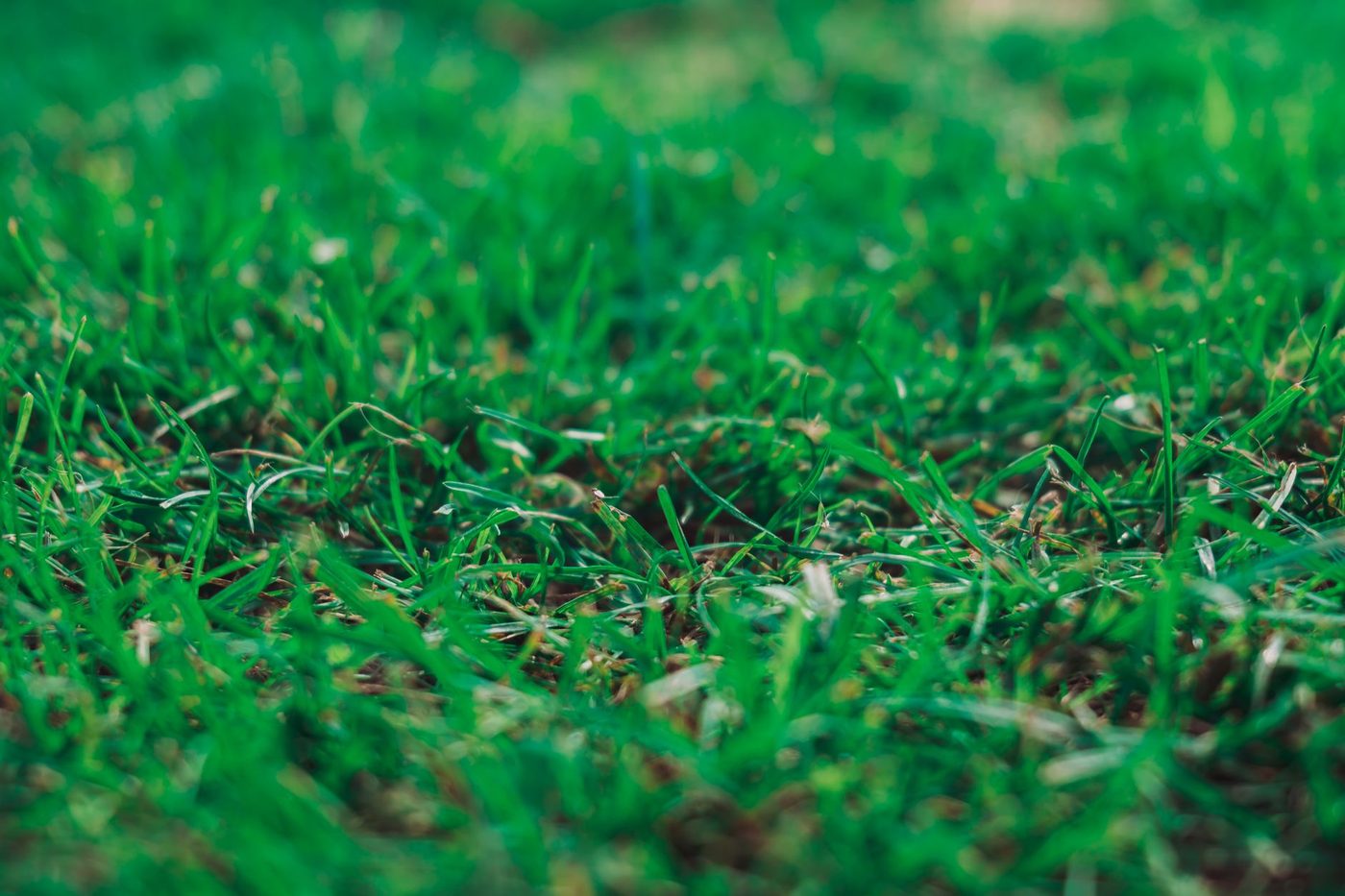
    Small heaps of soil on a lawn raise an immediate question: mole, vole or something else? Three pages from the Royal Horticultural Society (RHS), each read on 2 November 2026 and each undated, answer parts of it: its advice guides on moles, on mice and voles, and on earthworms. This article sets them side by side, for gardens in Britain, as general information.

    Which animal leaves which mark?

    Sign What the RHS says
    Molehills Heaps of excavated soil thrown up on lawns and flower beds; moles are rarely seen because they live mostly underground
    Soft lawn with small soil heaps Likely to be voles tunnelling just beneath the surface, as opposed to moles; the tunnel networks can leave a lawn uneven and soft
    Worm casts Soil and undigested material excreted by worms as they feed; mainly produced by earthworm species that live in permanent burrows

    The RHS adds that in many cases the molehills seen in a garden are the work of just one mole, because moles are very territorial. Mole activity is usually greatest in late winter and early spring.

    What each one eats

    The RHS describes moles as carnivorous. They feed on invertebrates that fall into their tunnels, mainly earthworms and other soil-dwelling creatures, and do not feed on plant roots. It says any plant damage is incidental to their lifestyle, although tunnelling can disturb the roots of seedlings and other small plants in flower beds and vegetable plots.

    Mice and voles are different. The RHS says they can feed on a wide range of plants, and that both leave paired grooves where their incisor teeth have gnawed stems, crocus corms and stored apples. It lists holes in the soil where they have dug for bulbs, corms or germinating seeds, and says voles sometimes eat the bark of woody plants, particularly in winter. Crocus corms and tulip bulbs are often eaten, especially in the first autumn and winter after planting, while established bulbs and corms are less susceptible.

    Earthworms are different again. The RHS says they eat decaying plant material and do not damage growing plants, and that they are important to soil structure and fertility. It also says there is no need to introduce them, because they are usually present at natural densities and will colonise new gardens.

    Telling a mouse from a vole

    For anyone who sees the animal itself, the RHS gives two clues. Mice differ from voles in having tails that are longer than their bodies. Seen from the side, a vole’s head has a rounded appearance, whereas a mouse’s head extends forwards. The RHS names the wood mouse, the short-tailed vole and the bank vole as species often found in British gardens, plus the yellow-necked field mouse, which it says mainly occurs in southern England and Wales.

    What does the RHS suggest doing?

    For moles, the RHS says that where possible they should be treated as part of the biodiversity that gardens support. It says molehills on lawns can be removed before mowing, and collapsed surface tunnels filled to keep the surface level. If a mole is considered too disruptive, it lists steps that mitigate its activity, encourage it to move elsewhere, or control it.

    For mice and voles, it says they are normally present at low numbers and can be treated as part of the biodiversity that gardens support. When numbers are high and damage is intolerable, it says it can be difficult to make much impression on them, and that they do not sustain high populations for long. It suggests tree spirals on young or newly planted trees to reduce bark damage and, where possible, tolerating the animals or using barriers and contained storage, because all methods of control involve killing them. It points readers to the RSPCA’s Living with series for more on living with mice.

    For earthworms, the page describes casts and the animals’ role in soil, and contains no suggestion to control them.

    How the RHS words its deterrent advice

    The mole page is careful in how it describes products and plants:

    • Mole netting can prevent moles reaching the surface, but it must be installed before turf is laid and is usually plastic.
    • Electronic devices produce a buzzing noise that is “said to” drive moles away, but the RHS says this may only be to another part of the garden.
    • A mole-repellent smoke is said to deter worms and other food from the tunnels; the RHS says the mole may move elsewhere or simply create new tunnels nearby.
    • Caper spurge has adherents who claim its root exudates repel moles, with a warning to remove most flower heads before seeding or the plant can become invasive.
    • Bulbs of Allium moly are sold as a mole deterrent but the RHS calls them of doubtful value.

    Those are the RHS’s own cautions, not test results, and none of the three pages gives a success rate for any method.

    The bottom line

    The RHS pages describe three different causes of lawn heaps: molehills, soft areas with small soil heaps attributed to voles, and worm casts. They differ in diet. Moles eat invertebrates rather than plants, mice and voles eat plant material including bulbs and bark, and earthworms eat decaying plant material. For moles and for mice and voles the RHS says to treat them as part of garden biodiversity where possible, and its deterrent advice is hedged. The pages say nothing on treatment under any particular law or on hiring contractors.

    Sources

    • Moles in Your Garden, RHS Advice, page undated, read 2 November 2026 (rhs.org.uk)
    • Mice and voles: Identification & Control, RHS Advice, page undated, read 2 November 2026 (rhs.org.uk)
    • Earthworms, RHS Advice, page undated, read 2 November 2026 (rhs.org.uk)
  • Bed Bugs at Home: What the NHS and Five Councils in England and Scotland Say About Who Treats, Washing, Freezing and Preparing a Room

    Bed Bugs at Home: What the NHS and Five Councils in England and Scotland Say About Who Treats, Washing, Freezing and Preparing a Room

    The NHS and councils publish bed bug advice, and the pages do not all say the same thing. This guide compares the NHS bedbugs page with the pages of four councils in England (Lambeth, Hastings, Rochdale and Brighton and Hove) and one in Scotland (West Lothian), all read on 1 November 2026. The NHS page was last reviewed on 1 May 2026; the council pages show no date. Arrangements can differ from council to council, and some pages describe a service for the council’s own tenants only. This guide covers treatment and preparation, not health advice about bites.

    Who treats a home, and who pays?

    The NHS page says that anyone who thinks they have bedbugs should contact their local council or a pest control service, because it is very difficult to get rid of bedbugs without help: they can be hard to find and may be resistant to some insecticides.

    • Hastings lets residents book a bed bug appointment online and tells housing association tenants to contact their housing association provider. Fees are on a separate charges page.
    • Rochdale says it offers domestic pest control treatment for bed bugs, booked by phone, with prices on another page.
    • Lambeth describes home treatments as two visits, three weeks apart, with an adult present throughout each visit.
    • Brighton and Hove’s page is about council properties: treatments are free to its council tenants and leaseholders, and it says it can arrange another treatment free of charge if the first is not successful.
    • West Lothian (Scotland) says it is currently treating bed bugs only in its own tenants’ homes because of ongoing service delivery challenges. It states that the council has no legal duty to provide a pest control service for bed bugs, but does have legal powers to require an owner to have effective treatment carried out.

    Washing, freezing and heat: the figures differ

    The NHS, Lambeth, Hastings, Rochdale and West Lothian pages each give 60 degrees Celsius for washing. The NHS says to wash affected bedding and clothing on a hot wash (60C) and tumble dry on a hot setting for at least 30 minutes. It adds that these steps are unlikely to get rid of bedbugs completely. Lambeth gives 60 degrees Celsius for both washing and tumble drying, the latter for at least 30 minutes. Brighton and Hove instead says to use the hottest wash possible and to check labels first.

    For items that cannot be washed, the freezer times quoted differ:

    • NHS: in a plastic bag in the freezer for 2 to 3 weeks.
    • Lambeth: in a deep freezer for at least three days.
    • Hastings: in the freezer for at least four days.
    • West Lothian: freezing at a minimum of minus 17 degrees Celsius for 10 hours. It says its listed conditions (hot washing, hot drying, dry cleaning or freezing) are the only ones that will kill all stages of the insect.

    The text of the pages does not explain the differences. A council arranging a treatment may give its own instructions for the visit.

    Furniture and clutter: keep it, move it or bin it?

    Rochdale says not to remove furniture from affected rooms, because in most cases beds and furniture can be treated and need not be disposed of; a torn mattress that is difficult to treat should be disposed of after being made unusable and sealed. Brighton and Hove asks tenants not to throw away belongings, saying most items can be treated and that throwing things away can spread bedbugs; anything that must go should be bagged and sealed before the household waste, and not given away, donated or left in communal areas.

    Hastings puts it differently: before a treatment, clear clutter and unwanted items such as toys, books, boxes and shoes, and put items being disposed of in a bin or take them to a waste facility. Lambeth lists moving beds and furniture away from the walls, removing headboards and emptying bed storage, but says not to move anything out of the rooms to be treated apart from rubbish and clothing to be washed. The NHS says not to keep clutter around the bed and not to bring secondhand furniture indoors without carefully checking it first.

    After the visit: vacuuming, the bed and the repeat visits

    The instructions on vacuuming point in different directions depending on the stage. Hastings asks for thorough vacuuming before treatment. After treatment, Lambeth says not to vacuum, wipe or polish treated rooms for at least two weeks, and Brighton and Hove says not to vacuum for a minimum of 3 weeks because it could remove the treatment product.

    Both Lambeth and Brighton and Hove say to keep using the bed. Lambeth says sleeping in the bed as normal helps to eradicate the bedbugs, and that a new bed should wait until the infestation is completely eradicated. Brighton and Hove says using treated areas as normal helps draw the bedbugs out and keeps them in one place. Both give a three-hour minimum before the treated room is used again (Lambeth: wait three hours before re-entering; Brighton and Hove: keep doors to treated rooms closed for at least 3 hours).

    On timescale, West Lothian says treatments commonly take over 4 months of weekly or bi-weekly visits, with a risk of re-infestation if the original infestation is brought in by guests. Brighton and Hove says that after 3 weeks the testing monitor can be used to check whether more bedbugs appear.

    The bottom line

    The NHS says to contact the local council or a pest control service, and the council pages describe different services: Hastings, Rochdale and Lambeth offer treatment booking or visits, Brighton and Hove treats its council tenants and leaseholders free of charge, and West Lothian is currently treating its own tenants only. Five of the pages give 60 degrees Celsius for washing, but the pages differ on freezer times, vacuuming periods and whether to throw items away. Follow the instructions given by whoever carries out the treatment, as the pages themselves differ.

    Sources

    • Bedbugs, NHS, page last reviewed 1 May 2026, read 1 November 2026 (nhs.uk)
    • Bed bugs, Lambeth Council (England), page undated, read 1 November 2026 (lambeth.gov.uk)
    • Pest control: Bed bugs: information and advice, Hastings Borough Council (England), page undated, read 1 November 2026 (hastings.gov.uk)
    • How to identify and control bed bugs, Rochdale Borough Council (England), page undated, read 1 November 2026 (rochdale.gov.uk)
    • How to report and treat bedbugs in council properties, Brighton and Hove City Council (England), page undated, read 1 November 2026 (brighton-hove.gov.uk)
    • Bed Bugs, West Lothian Council (Scotland), page undated, read 1 November 2026 (westlothian.gov.uk)
  • Wasp Nest at Home: What the RHS Says About Leaving Nests Alone and How Five UK Councils Handle Treatment, Fees and Tenants

    Wasp Nest at Home: What the RHS Says About Leaving Nests Alone and How Five UK Councils Handle Treatment, Fees and Tenants

    One English council lists a £96.10 charge for treating a wasp nest, another in Scotland lists £86.40 for 2026/27, a third in Wales lists £80.89, one in Scotland treats nests free only for its own tenants, and one in Northern Ireland says it provides no pest treatment service. This guide sets those five council pages beside the Royal Horticultural Society (RHS) advice on wasps and the NHS page on stings, all read on 31 October 2026. It is a comparison of five councils, not a survey, and other councils may differ. General information, not a treatment recommendation.

    If a sting causes a severe reaction

    The NHS page on insect bites and stings says to call 999 if lips, mouth, throat or tongue suddenly become swollen, if breathing is very fast or a person is struggling to breathe, if the throat feels tight or swallowing is difficult, or if someone becomes very confused, drowsy or dizzy or faints and cannot be woken. It describes these as possible signs of a serious allergic reaction. The page shows a last reviewed date of 1 June 2023 and a next review due date of 1 June 2026.

    Does a nest have to come out?

    The RHS, whose page shows no date and is written for gardens, says that where possible wasp nests should be left alone, that the nests die out in late summer or autumn, and that an old nest is never re-used although it can last several years before breaking down. It also says wasps defend their nest by stinging anyone or any animal nearby, and that wasps can present a hazard if a nest is disturbed, for example when a compost bin is emptied or a hedge is trimmed. For a possible Yellow-legged hornet, the RHS says not to go near the nest and to report it.

    Mid and East Antrim Borough Council, in Northern Ireland, says a live nest that is not bothering anyone does not have to be destroyed, but that nests can cause problems for neighbours, and that it is not advisable to treat large nests or infestations yourself. It also says a nest found in winter will be dead and can be removed. Rugby Borough Council, in England, says not to attempt to remove or disturb a nest yourself and recommends professional treatment, particularly for large or hard-to-reach nests.

    What five councils say about treatment and cost

    • Rugby Borough Council (England): its pest control team treats wasp infestations; the page lists a domestic charge of £96.10 for up to 2 visits for a single nest, plus £11.90 for each extra nest.
    • Scottish Borders Council (Scotland): its domestic charge for wasps in the 2026/27 financial year is £86.40 including VAT, with £90 for commercial premises.
    • Highland Council (Scotland): its free pest control service, which lists wasps, is only available to council tenants, and other householders or businesses should contact a private company. The page shows a last modified date of 10 June 2026.
    • Neath Port Talbot Council (Wales): a paid service, with one wasp treatment at £80.89 including VAT. The page says waiting times are currently longer than usual.
    • Mid and East Antrim Borough Council (Northern Ireland): the page says the council does not provide a pest treatment service and points to lists of companies on the British Pest Control Association and National Pest Technicians Association websites.

    Only the Scottish Borders and Highland pages show a financial year or modified date; Rugby’s page links to its 2026/27 fees and charges but shows no page date, and the Neath Port Talbot and Mid and East Antrim pages show none, so current figures are best confirmed with each council.

    Wasp, bee or something else?

    Neath Port Talbot says it does not treat bees, which it describes as highly beneficial, and describes wasps as bright black and yellow, with little or no hair, typically 1 to 2 cm long. The RHS says social wasps are more slender and less hairy than bumblebees, and that honeybees and most solitary bees are hairier than social wasps. Neath Port Talbot asks residents to use that information to tell the difference before contacting it about wasps and bees.

    Renting a home

    Rugby says responsibility for treatment can vary depending on the type of tenancy and circumstances, and that a private tenant should check the tenancy agreement or contact the landlord. Highland’s free service applies to council tenants only, as above.

    Questions from a council FAQ that suit any quote

    Rugby’s FAQ says that in the majority of cases a nest can be destroyed with a single treatment, but that multiple nests or nests that are hard to reach may need more. It says whether the quoted price includes follow-up visits depends on the treatment needed, that an extra charge applies for additional nests in different locations, and that occupants may be asked to keep people and pets away from the treatment area. Those points are the council’s own wording, and a private firm’s terms may differ.

    The bottom line

    The RHS says wasp nests should be left alone where possible and die out in late summer or autumn. The five council pages read show five different arrangements: paid treatment in Rugby (England), Scottish Borders (Scotland) and Neath Port Talbot (Wales), a free service for tenants only in Highland (Scotland), and no treatment service in Mid and East Antrim (Northern Ireland). Charges and policies can change, several pages show no date, and the NHS stings page was due for review on 1 June 2026, so the council, pest controller or NHS should be asked about current arrangements. General information, not a treatment recommendation.

    Sources

    • Wasps including hornets: Identification and Tips, Royal Horticultural Society, no date shown, read 31 October 2026 (rhs.org.uk)
    • Insect bites and stings, NHS, last reviewed 1 June 2023, read 31 October 2026 (nhs.uk)
    • Wasps, Rugby Borough Council, no date shown, read 31 October 2026 (rugby.gov.uk)
    • Pest control, Scottish Borders Council, fees for the 2026/27 financial year, read 31 October 2026 (scotborders.gov.uk)
    • Pest control for council tenants, Highland Council, last modified 10 June 2026, read 31 October 2026 (highland.gov.uk)
    • Pest control treatment, Neath Port Talbot Council, no date shown, read 31 October 2026 (npt.gov.uk)
    • Wasps, Mid and East Antrim Borough Council, no date shown, read 31 October 2026 (midandeastantrim.gov.uk)
  • Froth on Stems, Holey Distorted Leaves and Silvery Flecks: What the RHS Says About Cuckoo Spit, Capsid Bugs and Thrips and Why Some Damage Is Tolerated

    Foam on a stem, small holes in leaves and white flecks on petals each point to a different sap-feeding insect in the advice of the Royal Horticultural Society (RHS). This guide summarises the RHS pages for cuckoo spit, capsid bugs and thrips, read on 25 October 2026; none of the pages shows a date. The pages refer to Britain and the UK. General information, not a treatment recommendation.

    White froth on stems in late spring: cuckoo spit

    The RHS says cuckoo spit is a white frothy liquid secreted by the nymphs of sap-sucking true bugs called froghoppers, also known as spittlebugs. It has no connection with the bird. The page lists ten species of froghopper in the UK, across two families, and plants affected that include chrysanthemum, dahlia, fuchsia, lavender, rosemary, rose and willow.

    • Blobs of froth develop on young stems and leaves in late spring and summer, and the RHS gives May to July as the most active period.
    • Each blob contains a creamy white nymph up to 4-6 mm long.
    • Usually plant growth is unaffected, but a nymph feeding at a shoot tip may cause some distorted growth.

    The RHS calls cuckoo spit harmless and says the insects are part of the biodiversity a healthy garden supports. Adult froghoppers appear in mid to late summer, live openly on plants and do not produce the froth or cause noticeable damage. Eggs are laid in plant stems in late summer and the nymphs hatch in spring. The page adds that Xylella, a bacterial plant disease causing serious problems in Southern Europe, is spread by insects that feed on the xylem of plants, which includes froghoppers, and has not yet been detected in Britain. It says spittlebugs are not a pest and asks gardeners not to remove them.

    Small brown-edged holes from May: capsid bugs

    Capsid bugs belong to the family Miridae, which the RHS says has over 200 species in Britain. Most feed on plant sap, though most do not affect garden plants and some are predatory. A few feed at shoot tips and flower buds of garden plants, especially fuchsia, dahlia, rose and hydrangea; the RHS names the common green capsid and the tarnished or bishop bug. The apple capsid feeds on apple and pear and can affect the fruit.

    Signs of damage appear from May to early September. Leaves near the shoot tips develop many small, brown-edged holes and may be misshapen. Affected flower buds, particularly those of fuchsia, may fail to develop, while daisy-like flowers such as chrysanthemum and dahlia may open unevenly. Apple capsid can cause bumps or raised corky growths on mature fruit; the RHS says these blemishes are superficial and do not affect the eating and keeping qualities of the fruit.

    The RHS says the presence of capsid bugs is not unusual and that they are part of a functioning garden ecosystem. Its management advice is to tolerate some damage, because by the time distorted leaves are noticed it can be too late for control measures, and plants often recover. Vegetables do not need treating. It also suggests encouraging predators such as birds and ground beetles, removing unwanted plants that can act as alternative hosts where capsids have been a problem, and clearing dead vegetation in late winter, which may destroy overwintering sites for the tarnished plant bug.

    Silvery mottling and black specks: thrips

    Thrips are an order of insects with around 150 species in Britain, according to the RHS, and many do not cause noticeable damage. Adults are narrow-bodied and up to 2 mm long. The RHS says they can be hard to detect, and that shaking foliage over a white sheet of paper reveals them for examination with a magnifying lens.

    Leaves fed on by thrips often become dull green and later develop a silvery-white discolouration on the upper surface, marked by many tiny black excrement spots. Petals can show white flecking, and heavy feeding on flower buds may stop them opening. Some thrips, such as onion thrips and western flower thrips, can transmit plant viruses. The RHS gives April to September as the most active period.

    For control, the RHS says established outdoor shrubs usually survive extensive silvery mottling from glasshouse thrips and that some damage can be tolerated. It also mentions natural enemies such as the predatory bug Orius laevigatus, which can occur naturally. Biological controls are available for glasshouses, and the page notes that the nematodes can potentially affect other insects and the predators can feed on invertebrates other than thrips. When buying houseplants, the RHS advises checking the flowers and avoiding any showing signs of thrips or pale flecking. The guide to buying predators and nematodes covers timing and handling in more detail.

    Sticky traps and proportion

    The RHS describes cuckoo spit as harmless, capsid damage as something to tolerate and outdoor thrips damage as often survivable. On traps, its thrips page says hanging blue sticky traps above or among plants in glasshouses can trap thrips and help monitor and reduce numbers, but that this is not recommended out of doors because the traps capture a large number of non-target invertebrates. Other sap-feeders are covered in the guides to ants and aphids and to mealybugs and scale insects.

    FAQs

    Does cuckoo spit damage the plant?

    The RHS says it is harmless and that plant growth is usually unaffected, although a nymph feeding at the shoot tip may distort growth.

    Are sticky traps suitable for thrips in the open garden?

    The RHS describes blue sticky traps for glasshouses and says they are not recommended out of doors, because they capture a large number of non-target invertebrates.

    The bottom line

    For froth on stems, the RHS describes cuckoo spit as harmless and its froghopper nymphs as part of a healthy garden. For holes and distorted shoot tips from May, it identifies capsid bugs and advises tolerating some damage and encouraging predators. For silvery mottling with black specks, it points to thrips and says established outdoor shrubs usually survive, while it does not recommend sticky traps out of doors. This is general information, not a treatment recommendation.

    Sources

    • Cuckoo spit (spittlebugs) (rhs.org.uk)
    • Capsid bugs (rhs.org.uk)
    • Thrips (rhs.org.uk)
  • When a Pest Treatment Goes Wrong: Who to Report Biocide Exposure and Poisoned Wildlife or Pets To in the UK, According to HSE

    Get medical help immediately if you think someone has been poisoned by swallowing, touching or breathing in a pesticide. NHS guidance says call 999 or go to A&E for suspected harmful exposure; call NHS 111 if you are unsure whether the substance is harmful. Do not wait for symptoms. For an exposed animal, contact a vet immediately. Reporting a treatment concern comes after urgent care.

    After urgent care, HSE sets out where to report harm to people, animals or the environment from a biocidal pest product. This guide summarises HSE’s pages on reporting exposure to biocides (updated 10 June 2025), on reporting pesticide incidents and on the Wildlife Incident Investigation Scheme. The guidance covers the United Kingdom, with different authorities in Great Britain and Northern Ireland, and each section says which applies. It is general information, not legal advice. For how pest products are authorised, see the guide to pest products as biocides.

    Step one: seek advice

    HSE says the first thing to do after exposure is to seek appropriate medical advice, and immediate veterinary advice if a pet, livestock or other animal may have been made ill. Medical and veterinary staff benefit from as much information as possible about the product or treatment, and HSE notes that medical professionals can get specialist advice from the National Poisons Information Service, which the public cannot contact directly. After that, HSE asks people to report the incident to the appropriate authority.

    HSE says incident information can help it identify unforeseen issues, prompt reassessment of authorised products and support enforcement.

    Reporting where people are affected

    In Great Britain, HSE’s table says an incident where someone has carried out a biocidal treatment in the home as part of their work, for example a professional pest controller, is reported to HSE. Where the treatment was carried out in the home not as part of work, for example by the householder or another member of the public, it is reported to the local authority. For other places, the authority is HSE or the local authority depending on the type of premises. HSE lists premises such as factories, farms, hospitals and nursing homes, schools and colleges and public amenities as its own; local authorities cover places such as hotels, leisure premises, offices, restaurants and shops.

    In Northern Ireland the equivalents are HSENI and the district council. HSE’s helpline for its own cases is listed as 0300 003 1647.

    Pets, wildlife and the environment

    For animals, including wildlife, livestock and pets, HSE directs reports to the Wildlife Incident Investigation Scheme on its free number, 0800 321 600. The scheme investigates the death or illness of wildlife, pets and beneficial invertebrates that may have resulted from pesticide poisoning, and also covers suspect baits where pesticides may have been inappropriately applied and spillages that pose a risk to wildlife or companion animals. HSE says it is operated independently in all four UK countries using the same number, and in England it is run on HSE’s behalf by Natural England.

    For harm to the environment, the page lists the Environment Agency in England, Natural Resources Wales in Wales, the Scottish Environment Protection Agency in Scotland and the Northern Ireland Environment Agency in Northern Ireland, with a phone number for each.

    What the Wildlife Incident Investigation Scheme will and will not take

    HSE’s page on investigation procedures in England says the scheme investigates incidents where the professional use of pesticides, including biocides, is suspected of affecting wildlife, beneficial invertebrates or companion animals. Cases accepted fall into three categories: approved use, misuse (not following the conditions, often carelessly or by accident) and abuse (deliberate illegal use to poison animals).

    The scheme does not deal with amateur use, disputes between neighbours or incidents within the remit of the local authority under the Health and Safety (Enforcing Authority) Regulations 1998. To be accepted, there must be reasonable grounds to believe pesticides are involved, and HSE lists factors such as the number, location and species of animals involved, baits with identifiable pellets or granules, a veterinary opinion or post-mortem, observations before death and the previous history in the area. The apparent absence of another cause of death is not normally enough. HSE also warns members of the public not to expose themselves to highly toxic materials by handling suspected baits.

    What to have ready

    HSE asks anyone reporting to provide as much information as possible about the product or treatment, including:

    • the product name and active substance;
    • the approval or authorisation number;
    • when, where and how the exposure happened, and how long it lasted;
    • any relevant extreme weather at the time; and
    • the effects, for example a report from a medical or veterinary professional.

    The information can come from the product label, the person who carried out the treatment, the manufacturer or the safety data sheet, which can be requested from the manufacturer. HSE adds that anyone who cannot obtain all of it should still report the incident and give as much as they can. HSE says incidents should be reported as soon as possible after they occur, for an effective investigation.

    FAQs

    Does HSE take every report about a neighbour’s pest control?

    Not necessarily. HSE’s procedures say the Wildlife Incident Investigation Scheme does not deal with amateur use or disputes between neighbours.

    Who do I report a professional pest controller’s treatment in my home to in Great Britain?

    HSE’s table says an incident from a biocidal treatment carried out in the home as part of someone’s work is reported to HSE.

    Do I need all the product details before reporting?

    No. HSE says to report the incident and provide as much information as you can.

    The bottom line

    HSE’s guidance is that after medical or veterinary advice, a pest treatment problem should be reported promptly to the authority that matches the situation: HSE for professional treatments in the home, the local authority for amateur use, the Wildlife Incident Investigation Scheme for harm to pets and wildlife, and the environment agency for the nation concerned for harm to the environment. Product details from the label, the pest controller or the safety data sheet help, but the report should not wait for all of them. This is general information, not legal advice.

    Sources

    • Poisoning (nhs.uk)
    • Reporting exposure to biocides (hse.gov.uk)
    • Reporting Incidents (hse.gov.uk)
    • Wildlife Incident Investigation Scheme (hse.gov.uk)
    • Investigation procedures in England (hse.gov.uk)
  • Grubs in Apples and Pears and Stripped Gooseberry Leaves: What the RHS Says About Codling Moth, Apple Sawfly and Gooseberry Sawfly

    A caterpillar in the core of an apple, a ribbon-like scar on its skin or gooseberry bushes stripped to the veins can be alarming, but the Royal Horticultural Society (RHS) generally advises gardeners to put such damage in proportion. This guide summarises the RHS advice pages for codling moth, apple sawfly and gooseberry sawfly. The advice is written for home gardens in the United Kingdom and concerns fruit grown at home. It is general information and not a treatment recommendation.

    Codling moth in apples and pears

    According to the RHS, codling moth caterpillars bore into the fruit of apple and pear trees in mid to late summer, and are most active from June to September. Quinces and walnuts are affected less often. Signs are a small exit hole in the side of ripe fruit or at the eye end, tunnelling and frass in the core, and a small white caterpillar with a brown head. Damaged fruit tends to ripen and drop early.

    The RHS advises tolerating some fruit loss where possible, because often only a small proportion of fruit is affected, and encouraging natural enemies such as birds, wasps and ground beetles. It adds that it is not worthwhile controlling codling moth on quince or walnut, as the damage is rarely significant. Adults emerge in late May to June, eggs are laid on or near developing fruit from June to mid-July, and the caterpillar feeds in the core for about four weeks before leaving the fruit to overwinter in leaf litter or under loose bark.

    Pheromone traps and nematodes

    The RHS describes pheromone traps hung in the tree in early May, using a synthetic version of the female moth’s chemical to attract males onto a sticky sheet. It says these traps alone rarely control codling moth but monitor moth activity, helping to time other action so that it is targeted. On isolated trees they may catch enough males to reduce mating success. Adding bird netting reduces the risk of birds entering the trap.

    A mixture of pathogenic nematodes sold as ‘Fruit and Vegetable Protection’ may give some control. The RHS says it is sprayed on the trunk, branches and the soil under the branches in September to October, after the caterpillars have left the fruit. It gives no protection in the following year against female moths flying in from nearby gardens, and may not be worthwhile where apples and pears are widely grown. The RHS also warns that nematode controls could infect non-target animals within the same group and should be used with care, only for a specific problem.

    Apple sawfly

    Apple sawfly larvae are caterpillar-like and feed beneath the skin of developing apples before burrowing into the fruit. The RHS gives late April to June as the timing. In late May and June affected fruitlets have holes with blackish-brown pellets spilling out, and each larva can feed on several fruitlets, often damaging three to five. Most affected fruitlets drop in the June drop. Fruitlets that suffered only early feeding can stay on the tree, developing a misshapen shape and a ribbon-like scar about 4mm wide, but they are usually still edible.

    The RHS says the presence of apple sawfly can usually be tolerated, and in years of heavy fruit set a little fruit thinning caused by the sawfly can be beneficial. Cultivars such as ‘Worcester Pearmain’, ‘Charles Ross’, ‘James Grieve’ and ‘Ellison’s Orange’ seem particularly susceptible, while cooking apples are rarely affected apart from ‘Early Victoria’ and ‘Edward VII’. Gardeners should check apples once fruit begins to set, and can pick off damaged fruitlets to stop larvae moving to other fruitlets or into the soil.

    Gooseberry sawfly

    The RHS says three species of sawfly feed on the leaves of gooseberries, red currants and white currants, with the larvae being green with black dots and the main activity from April to September. The small gooseberry sawfly can have up to four generations from late April, while the pale spotted species has one generation a year with larvae in May and June.

    The RHS notes that plants will usually survive complete defoliation, although it may reduce the yield. Its advice is to tolerate sawflies where possible as part of garden biodiversity, check plants regularly from April for larvae so that a damaging population does not develop, remove them by hand if required and where practical, and encourage natural enemies such as birds, wasps and ground beetles.

    Putting it in proportion

    The RHS pages share a theme: keep watch early, tolerate light damage, favour natural enemies, and use traps or nematodes only where they are justified. The site’s guide to buying predators and nematodes covers timing and handling in more detail.

    FAQs

    Can I still eat apples with an apple sawfly scar?

    The RHS says fruits that suffered only early feeding develop a ribbon-like scar but are usually still edible.

    Do pheromone traps control codling moth?

    The RHS says the traps alone rarely control codling moth but monitor activity, and can help time other action.

    Will gooseberry sawfly kill a bush?

    The RHS says plants will usually survive complete defoliation, although the yield may be reduced.

    The bottom line

    For fruit grown at home, the RHS treats codling moth, apple sawfly and gooseberry sawfly as pests to monitor and tolerate in moderation rather than to eradicate. Pheromone traps in May help time any action against codling moth, damaged apple fruitlets can be picked off, and gooseberry larvae can be removed by hand. Nematodes are described with caution, because they can affect non-target animals. This is general information, not a treatment recommendation.

    Sources

    • Codling moth (rhs.org.uk)
    • Apple sawfly (rhs.org.uk)
    • Gooseberry sawfly (rhs.org.uk)
  • Leftover Pest Products at a US Home: What EPA Says About Disposal Labels, Never Pouring Them Down Drains and Household Hazardous Waste Collections

    After a pest problem is dealt with, many US households are left with a half-used spray, a tub of bait or a bait station. EPA has specific advice for getting rid of them, and it is not the same as for ordinary rubbish. This guide summarises EPA’s Safe Disposal of Pesticides page (last updated 25 June 2026), its household hazardous waste page and its Pesticide Registration Notice 2007-1, which sets the disposal wording for household product labels. It covers the United States only and household products; commercial and agricultural products have different rules. State and local rules may be stricter than the federal label requirements. This is general information, not legal advice.

    Avoid having leftovers

    EPA’s first piece of advice is to avoid disposal where possible. Its page tells households to mix up only enough pesticide for the job and to use up small amounts of excess by applying them according to the directions on the label. If a product cannot be used, EPA suggests asking neighbours who have a similar pest problem whether they can use it. Buying only what a job needs is therefore the simplest form of disposal planning.

    What the label says about containers

    EPA’s notice sets the disposal wording for household-use pesticide labels, whatever the container size, where the product is intended for use in or around a home by a resident or is regularly sold to household consumers. For products in pressurised containers the wording is “Do Not Puncture or Incinerate!”. An empty can goes in the trash or is offered for recycling if available, and a partly filled one needs a call to the local solid waste agency for disposal instructions.

    For all other forms, including liquids, tablets, dusts, gels, pet products and containers such as bags, boxes, bottles, cans, bait stations and squeeze tubes, an empty container must not be reused and goes in the trash or for recycling if available. A partly filled one needs a call to the local solid waste agency, and unused product must never go down any indoor or outdoor drain. The notice adds that a toll-free number or website can be given on labels to help consumers find their local authorities.

    Why drains are ruled out

    EPA states that pesticides should never be poured down the sink, toilet, sewer or street drain, because many municipal drinking water and wastewater systems are not equipped to remove all pesticides, and pesticides that reach waterways can harm fish, plants and other living things. The notice explains why older advice was dropped: instructions to rinse empty containers were removed because many consumers were confused by rinsing procedures and often disposed of rinse water down drains, and states had reported detections of pesticides in drinking water that appeared in some cases to be linked to disposal or rinsing in residential wastewater systems.

    The older advice to wrap a container in paper was also deleted, since EPA said wrapping does not appear to give reliable protection to sanitation workers and may result in accidental or unknown exposures.

    Household hazardous waste collections

    EPA treats leftover products that can catch fire, react, explode, or are corrosive or toxic, including pesticides, as household hazardous waste. It says many communities have collection programmes, and that a household can search for “household hazardous waste” near its ZIP code on Earth 911 or contact its local environmental, health or solid waste agency to learn about permanent or periodic collections. If a community has no year-round system, EPA suggests checking for designated collection days, and if there is neither, dropping certain products at local businesses for recycling or proper disposal may be possible.

    EPA says its Office of Resource Conservation and Recovery and Office of Water have consistently recommended that consumers who generate household hazardous waste dispose of it through local programmes rather than in the regular trash.

    Storing and handling until disposal

    EPA advises keeping hazardous products in their original containers, never storing them in food containers and never removing labels. When leftovers remain, it says never to mix household hazardous waste with other products, because incompatible products might react, ignite or explode. Even empty containers can pose hazards because of residual chemicals, so they should be handled with care. Improper disposal, including pouring waste down the drain, on the ground, into storm sewers or, in some cases, putting it out with the regular trash, can pollute the environment and pose a threat to human health.

    For related US topics see the guides to the pesticide label and to rat and mouse poison.

    FAQs

    Can an empty spray can go in the household bin?

    EPA’s label wording for pressurised containers says an empty can goes in the trash or can be offered for recycling if available, and must not be punctured or incinerated.

    Who should I call about a half-full product?

    EPA’s wording tells consumers to call their local solid waste agency, and its pages point to local environmental, health or solid waste agencies and Earth 911.

    Do these rules apply to farm or commercial products?

    No. The notice covers residential and household use products; EPA’s page notes that state and local rules may differ, so other users should check with their state agency.

    The bottom line

    For leftover household pest products in the United States, EPA’s advice is to buy only what is needed, use small excess amounts according to the label, follow the label’s disposal wording, call the local solid waste agency for partly filled containers, and use a household hazardous waste collection where one exists. Pesticides must never go down a drain, products should not be mixed, and empty containers should not be reused. Because state and local rules can be stricter than the label, a quick call to the local agency settles what applies. This is general information, not legal advice.

    Sources

    • Safe Disposal of Pesticides (epa.gov)
    • Household Hazardous Waste (HHW) (epa.gov)
    • PRN 2007-1: Disposal Instructions on Non-Antimicrobial Residential or Household Use Pesticide Product Labels (epa.gov)
  • Maggots in the Vegetable Patch: What the RHS Says About Carrot Fly, Cabbage Root Fly, Onion Fly, Allium Leaf Miner and Leek Moth

    Rusty tunnels in carrots, wilting cabbages and rotting leeks are often the work of flies and moths whose larvae feed on roots or inside leaves and stems. This guide summarises the Royal Horticultural Society’s (RHS) advice pages for carrot fly, cabbage root fly, onion fly, allium leaf miner and leek moth. The advice is written for gardens in the United Kingdom. It concerns edible crops grown at home, where the RHS pages describe cultural controls and mesh rather than sprays, and it is general information, not a treatment recommendation.

    Carrot fly

    The RHS says carrot fly larvae can make a large proportion of carrots and related crops inedible. Affected crops include carrot, parsnip, parsley, celeriac and celery, and the adults are most active from May to October. Symptoms are rusty brown scars on the tap roots, and tunnels containing slender creamy-yellow maggots up to 9mm long.

    The RHS advises sowing sparsely to avoid thinning, because female flies are attracted by the smell released when surplus plants are removed. Carrots sown after mid-May avoid the first generation of the fly, and those harvested before late August avoid the second. Insect-proof netting is an option, and the RHS says its research showed that a complete covering is more effective than a barrier. Crop rotation is essential under netting, because adults can emerge from overwintered pupae in the soil. Cultivars such as ‘Fly Away’, ‘Maestro’, ‘Resistafly’ and ‘Sytan’ are less susceptible, but the RHS stresses that they are not fully resistant.

    Cabbage root fly

    According to the RHS, cabbage root fly maggots eat the roots of cabbages and other brassicas, and can tunnel into swedes, turnips and radishes. The timing runs from April to September. There are three generations in the summer, but the first, in late spring and early summer, is often the most damaging, and later generations are less harmful to leafy brassicas because older plants have bigger root systems. Root crops such as radish, turnip and swede are damaged by any generation.

    Recent transplants can be protected with a brassica collar of about 8 to 15cm, bought or made from carpet underlay, roofing felt or cardboard, which stops females laying eggs beside the stem. Insect-proof mesh or horticultural fleece kept in place through the growing season is also advised, again with crop rotation so that flies do not emerge from pupae under the cover. The RHS encourages natural enemies such as birds, hedgehogs and ground beetles.

    Onion fly

    The RHS says onion fly maggots feed on the roots and bulbs of onions, shallots and leeks, making them inedible and killing seedlings. It is most often met in central and eastern England and is most damaging in June and July. Growing from sets rather than seed can help plants survive the first generation, and some protection comes from insect-proof mesh. Badly damaged plants found towards the end of summer should be lifted carefully and burnt so that the maggots cannot finish developing.

    The RHS notes that onion fly can be told apart from allium leaf miner and leek moth because it feeds on roots, not within the leaves.

    Allium leaf miner and leek moth

    Allium leaf miner, first detected in Britain in 2002 and now widespread in England and parts of Wales according to the RHS, attacks leeks, onions, chives, shallots and garlic. Adult flies puncture the leaves, leaving lines of white dots, and the maggots tunnel within foliage, stems and bulbs, with rotting often most obvious in autumn. Peak adult activity is March to April and September to November, and the second generation is usually the most damaging. The RHS says plants can be effectively protected by insect-proof mesh while adults are active and laying eggs, with crop rotation so flies do not emerge under the covering.

    Leek moth causes similar damage, but its caterpillars are creamy white with brown heads and small legs, whereas the leaf miner larvae are white, headless, legless maggots. The RHS gives April to October as the leek moth season, with the second generation more numerous. Mesh should stay on for the whole growing season, and the white net-like silk cocoons on foliage can be found and squashed.

    Nematodes and natural enemies

    For carrot fly, cabbage root fly and onion fly, the RHS mentions a mixture of pathogenic nematodes sold as ‘Fruit and Vegetable Protection’ for watering into the soil against young larvae. It warns that these nematodes are not specific, may affect other soil insects and can kill non-target species. The site’s guide to buying predators and nematodes explains the timing and handling points the RHS raises.

    FAQs

    Does the RHS recommend spraying for these pests?

    The RHS pages summarised here describe mesh, collars, timing, crop rotation and, for some pests, nematodes. They do not recommend a spray.

    Why does the RHS stress crop rotation under mesh?

    It says adults can emerge from overwintered pupae in the soil under the covering if susceptible plants are grown in the same ground in successive years.

    How long should mesh stay on?

    The RHS says leek moth and cabbage root fly mesh should stay in place for the whole growing season, while allium leaf miner mesh is needed when adults are active and laying eggs.

    The bottom line

    The RHS treats these vegetable pests mainly as problems to be avoided by timing, tidy sowing, fine insect-proof mesh and strict crop rotation. Carrot fly can be dodged by late sowing and early harvesting, cabbage root fly by collars and mesh, and the allium pests by covering leeks and onions when adults fly in spring and autumn. Nematodes are described as non-specific. This is general information, not a treatment recommendation.

    Sources

    • Carrot fly (rhs.org.uk)
    • Cabbage root fly (rhs.org.uk)
    • Onion fly (rhs.org.uk)
    • Allium leaf miner (rhs.org.uk)
    • Leek moth (rhs.org.uk)
  • Pest Pigeons and Gulls in Scotland and Wales: What the 2026 NatureScot and Natural Resources Wales Licences Allow (Scotland and Wales)

    Pigeons and gulls on roofs, in gutters and around bins are a common reason to call a pest controller, but every wild bird, its nest and its eggs is protected by law. The rules differ by nation. This guide covers Scotland and Wales, using NatureScot’s 2026 general licence GL03 and gull guidance, and Natural Resources Wales’ (NRW) 2026 General Licence 002 and gull guidance. England is covered in the guide to the GL41 and GL42 general licences, and Northern Ireland is not covered here. This is general information, not legal advice.

    The starting point in both nations

    Both regulators state that the Wildlife and Countryside Act 1981 protects all wild birds. NRW says any lethal action against wild birds, including taking or destroying eggs or nests, may be carried out only if authorised by a licence, and that unlicensed lethal action is an offence which may result in a fine, a custodial sentence or both. NatureScot says general licences allow authorised people to carry out activities that would otherwise be illegal, where it is satisfied that no other satisfactory solution exists.

    Neither regulator treats mere nuisance as enough. NRW says a minor inconvenience such as droppings on a window or a car is not a public health or safety issue.

    Scotland: general licence GL03/2026 for feral pigeons

    NatureScot’s General Licence GL03/2026 covers killing or taking feral pigeons and Canada geese, and taking, damaging or destroying their nests and eggs, to preserve public health, public safety and prevent the spread of disease. It applies across Scotland from 1 January to 31 December 2026, unless revoked or on certain designated sites. The licence may be used by the owner or occupier of the land or anyone they nominate. Permitted methods include pricking or oiling eggs, destroying eggs and nests, taking by hand and shooting, and birds must be dispatched humanely using the method with the least impact.

    No registration or reporting is required, but a person convicted of a wildlife crime cannot use the licence until the conviction is spent, and anyone who cannot use it may apply for an individual licence. Users should not use the licence within 500m of a listed designated site if they cannot meet that site’s standing conditions.

    Scotland: gulls need an individual licence

    NatureScot says there is no general licence for gulls on public health grounds. An online application for a Gull (Public Health and Safety) Licence is made separately for each site, and a new application is needed each year. Licences do not renew automatically and regular activity returns are required during the licence period.

    NatureScot’s gull guidance sets a hierarchy. First comes prevention, such as scaring devices, nets, wires and spikes. Do not disturb a nest that is in use or being built. Some species’ nests have additional protection even outside active use. Before removing a nest or installing proofing, identify the species and check the current rules and any licence conditions with the relevant wildlife authority. Nest and egg removal can then be licensed, and killing chicks or adults only as a very last resort. Nuisance has no licensable purpose. Direct strikes on people usually count as a risk, while noise qualifies only in exceptional circumstances and small amounts of droppings on picnic benches are nuisance.

    Wales: General Licence 002 for feral pigeons

    NRW General Licence 002 (WCA/GEN/002/2026) permits an authorised person to kill or take feral pigeons, or take, damage or destroy their nests and eggs, to preserve public health, public safety or prevent the spread of disease. It runs from 1 January to 31 December 2026 and applies in Wales landward of the mean low water mark. Authorised persons include the owner or occupier or someone they authorise.

    The licence says that an authorised person should first make reasonable efforts to achieve the purpose by lawful alternative methods and keep doing so. It does not apply within 300m of the listed protected sites (500m for the Dyfi Estuary), where a specific licence is needed. Cage traps must be a walk-in multi-catch cage trap or a pigeon trap, and must not go more than 25 hours between physical inspections; NRW advises inspecting more often and in daylight. It also advises keeping written records of non-lethal measures tried and of any licensed action for at least three years. The maximum Magistrates’ Court penalty for an offence under the Act is an unlimited fine or six months in custody or both.

    Wales: gulls and non-lethal methods

    NRW’s gull guidance, version 1.1 of March 2020, names the herring gull and lesser black-backed gull as the usual urban problem species. It expects a hierarchy of prevention measures, non-lethal alternatives, a licence application with supporting evidence and only then control measures. Cover bins and food waste. Before using scaring devices, check the species, the applicable wildlife rules and any licence conditions with the relevant authority.

    NRW’s page on alternatives to lethal control lists scaring, excluding birds, making a site less attractive and encouraging birds elsewhere. A combination is likely to work better, as birds can become used to scaring.

    Using a pest controller

    Both regulators say a reputable pest controller can help develop a prevention plan. The guide to gulls nesting on a roof covers the wider legal protection.

    FAQs

    Can a householder use the Scottish pigeon licence?

    GL03/2026 may be used by the owner or occupier of the land or anyone they nominate, provided they understand and follow its conditions.

    Is there a general licence for gulls in Scotland?

    NatureScot says no. Gull public health work needs an individual licence, applied for per site each year.

    Does the Welsh licence ban trapping?

    No, but NRW General Licence 002 allows only certain cage traps and sets an inspection interval of no more than 25 hours.

    The bottom line

    In Scotland and Wales feral pigeons can be controlled under 2026 general licences that carry strict conditions, while gull work in Scotland needs an individual licence and Welsh guidance sets a hierarchy that puts prevention first. Both regulators treat nuisance alone as insufficient. Prevention comes first, but check the species and current rules before removing a nest or fitting proofing. The 2026 licences expire on 31 December 2026, so later terms should be checked from NatureScot or NRW. This is general information, not legal advice.

    Sources

    • General licence for birds GL03/2026 (nature.scot)
    • Birds: licences for public health and safety and air safety (nature.scot)
    • Guidance on gull management (nature.scot)
    • General Licence 002 (naturalresources.wales)
    • Managing problems caused by wild birds: alternatives to lethal control (naturalresources.wales)
    • Gull Management guidance note, v1.1 March 2020 (naturalresources.wales)
  • Buying Predators and Nematodes for Garden Pests: What the RHS Says About Timing, Temperature, Nematode Handling and Pesticide Gaps Before Release

    Mail-order predators and nematodes are marketed as a chemical-free way to deal with greenhouse pests, but they are living animals that work only in narrow conditions. The Royal Horticultural Society (RHS) publishes a page on biological control in the garden that explains what to expect. This article summarises it, together with the RHS pages on aphids and on indoor-plant sap feeders where they add detail. It reflects RHS gardening advice for UK gardens and greenhouses, not a legal standard, and it is general information. It does not recommend particular suppliers or products.

    What biological control is, according to the RHS

    The RHS says the biological controls available to home gardeners are either predators or pathogenic nematodes, and that they can give effective management of some plant-damaging garden invertebrates. It lists advantages over pesticides, which are usually broad spectrum:

    • they cause no damage to plants and leave no residues;
    • once established, natural enemies can breed until the pest is reduced to an acceptable level;
    • parasitoids are usually specific to certain prey and will not harm non-target creatures;
    • they can be used where sprays would scorch plants or where no synthetic pesticides exist for some food plants;
    • normal glasshouse jobs such as ventilating and watering are not affected, although pesticides must be avoided; and
    • the target animals do not develop resistance.

    It also lists cautions. Some predatory mites, bugs and beetles are generalists and should be used with care, and nematodes are usually insect-specific or mollusc-specific but can infect non-target animals within those groups, so they should be used in a targeted way.

    Parasitoids and predators: why timing matters

    The RHS explains that many of the “predators” sold are more accurately parasitoids, which lay eggs in a host and kill it only when their grub has finished developing. From that it draws two practical rules. Predators and parasitoids rarely give instant reductions in pest numbers because they need time to multiply, so they should be introduced before large pest populations develop. Conversely there is no point releasing them before the pest is active, since they can breed only when prey is present. Its aphid page follows the same logic: in spring, aphid populations rise before natural enemies are active in large numbers.

    Temperature and season in the glasshouse

    According to the RHS the effective season for predators and parasitoids in glasshouses is late March or April to September. They need warm conditions, generally daytime temperatures of at least 21 degrees C (70 degrees F) and high light intensity to stimulate breeding, although they can usually survive at 13 degrees C (55 degrees F). Glasshouse biological controls often die out over winter, so reintroduction may be needed every year. The indoor-plant page makes a related point about mealybug controls: they need relatively high temperatures, so are likely to be effective only from May to September. It adds that biological controls are most suitable for a glasshouse situation.

    Pesticides and predators do not mix

    The RHS says predators and parasites are very susceptible to most pesticides, which should be avoided. It gives persistence figures: pesticides can kill biological controls and persist for at least six weeks, for example ten weeks for deltamethrin-based products. It adds that natural organic pyrethrum can be used up to seven days before predator release, while pesticides based on fatty acids and plant oils or extracts can be used with care up to the day before biological controls are introduced. It also says fungicide use should be kept to a minimum. Its pages repeat that the RHS does not support pesticide use and recommends non-chemical options wherever needed.

    How nematodes work and how to use them

    The RHS describes the nematodes sold as controls as species that infect insects or molluscs. They enter the pest’s body and release bacteria, causing a fatal infection, and then feed and multiply on the decomposing body. The RHS says these species pose no risk to plants or vertebrates. Practical points it lists:

    • Nematodes come in packs that are mixed with water and watered onto plants and soil.
    • Being living organisms, they should be used as soon as possible after purchase and all manufacturers’ instructions followed.
    • They generally need moist conditions and are best applied in cool, damp weather.
    • Species differ in temperature needs, requiring temperatures above either 5 degrees C (41 degrees F) or 12 degrees C (54 degrees F).
    • They should be used with care and only when there is a specific problem to treat.

    Where they can be bought

    Because they are living animals, most biological controls cannot be stocked on shop shelves and are usually supplied by mail order. The RHS says the exceptions are formulations of some nematodes used against ants, chafer grubs, leatherjackets, slugs and vine weevil larvae, which some retailers stock. Success depends on following the supplier’s release and aftercare instructions carefully, and the RHS offers a downloadable list of biological controls and their suppliers.

    Matching the control to the pest

    The RHS page lists controls pest by pest, and the site has separate articles on several of the pests involved: ants and aphids in the garden, glasshouse red spider mite and glasshouse whitefly and Encarsia wasps.

    Questions people ask

    Can predators be released straight after spraying? According to the RHS, pesticides can persist for at least six weeks, with shorter gaps only for pyrethrum and for fatty-acid, plant-oil or plant-extract products.

    Will they stay all year? The RHS says glasshouse controls often die out in winter and may need reintroducing.

    The bottom line

    According to the RHS, biological control works when the release is timed early, the greenhouse is warm and bright enough, and pesticides have been kept away for the gap the RHS gives. Nematodes need moisture, the right temperature and prompt use, and both groups are living animals that usually come by mail order.

    Sources

    • Royal Horticultural Society, “Biological Control in the Garden” (rhs.org.uk)
    • Royal Horticultural Society, “Indoor plants sap feeders: Identify” (rhs.org.uk)
    • Royal Horticultural Society, “Aphids” (rhs.org.uk)
WhatsApp us